Getting Started
Types of Solar Systems
Understand the main solar system types, including grid-tied, off-grid, hybrid, and grid-tied with backup, and learn which one fits your site.
Not all solar systems are built to solve the same problem. Some are designed to cut electricity bills. Some are designed to keep critical loads running during blackouts. Some are built for total energy independence in places where the grid is missing or unreliable.
That is why choosing a solar system is not only about panel size or inverter brand. It starts with the system architecture.
At a high level, there are four common categories you will see in the market.
- Grid-tied, or on-grid
- Off-grid
- Hybrid
- Grid-tied with backup
The labels sound similar, and vendors sometimes use them loosely, but the differences matter. Cost, outage behavior, battery needs, maintenance, and design complexity all change depending on which system type you choose.
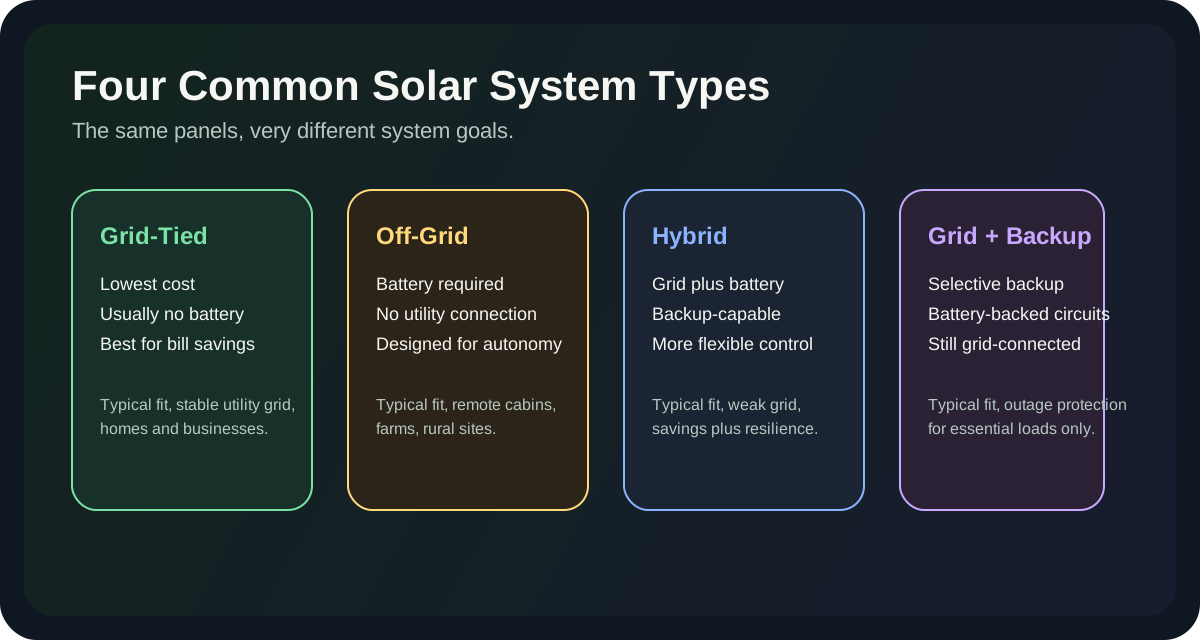
The Short Version
Section titled “The Short Version”If you want the fast summary, this table gets you most of the way there.
| System type | Grid connection | Battery required | Works during outage | Main goal |
|---|---|---|---|---|
| Grid-tied | Yes | Usually no | Usually no | Lower electricity bills |
| Off-grid | No | Yes | Yes | Full energy independence |
| Hybrid | Yes | Yes | Yes, for selected loads when designed for backup | Bill savings plus resilience |
| Grid-tied with backup | Yes | Yes | Yes, usually for backup circuits | Keep essential loads running while staying grid-connected |
That is the big picture. The rest of the page is about where those boundaries matter in real projects.
1. Grid-Tied Systems
Section titled “1. Grid-Tied Systems”A grid-tied system connects directly to the utility network. Solar panels generate DC electricity, the inverter converts it into AC, and the building uses that power first. If solar production is higher than demand, extra electricity may be exported to the grid. If solar production is lower than demand, the building imports the difference from the utility.
This is the most common solar system type for homes and businesses in areas with reliable utility service.
Typical components
Section titled “Typical components”| Component | Purpose |
|---|---|
| Solar panels | Generate DC power |
| Grid-tied inverter | Converts DC to utility-synchronized AC |
| Main service panel | Distributes power to building loads |
| Bidirectional utility meter | Measures imported and exported electricity |
Why people choose it
Section titled “Why people choose it”- Lowest upfront cost in many markets
- Simpler design than battery-based systems
- Lower maintenance because there is usually no battery bank
- Strong economics where net metering or self-consumption savings are favorable
Main limitation
Section titled “Main limitation”This is the catch many first-time buyers miss. A standard grid-tied system usually shuts down during a utility outage. That happens because anti-islanding protection is required for lineworker safety. So a grid-tied system is excellent for lowering bills, but it usually does not act as backup power.
If you want the deeper comparison between basic grid-tied and stand-alone systems, see On-Grid vs Off-Grid Systems.
2. Off-Grid Systems
Section titled “2. Off-Grid Systems”An off-grid system is designed to operate without any utility connection. It must generate, store, and deliver all of the electricity the site needs on its own.
This makes off-grid the most independent system type, but also the most demanding to design correctly.
Typical components
Section titled “Typical components”| Component | Purpose |
|---|---|
| Solar panels | Generate energy during daylight |
| Charge controller | Regulates battery charging from the PV array |
| Battery bank | Stores energy for nights and low-sun periods |
| Inverter | Supplies AC power to loads |
| Backup generator, often used | Supports the system during extended bad weather or high demand |
Why people choose it
Section titled “Why people choose it”- No dependence on the utility grid
- Suitable for remote cabins, farms, telecom sites, and rural loads
- Useful where grid extension is impossible or extremely expensive
- Provides power even when there is no utility infrastructure at all
Main limitation
Section titled “Main limitation”Off-grid systems cost more and require much tighter design discipline. Once the grid disappears from the picture, batteries, autonomy days, load management, surge power, and generator strategy all become part of the core design problem.
That is why off-grid projects are rarely just about installing more panels. They are usually about building a complete energy system.
If you want to understand the battery side of that challenge, Battery Sizing and Charge Controllers are the next logical reads.
3. Hybrid Systems
Section titled “3. Hybrid Systems”A hybrid system combines solar, batteries, and a live utility connection in one coordinated setup. It can use solar energy directly, store excess energy in batteries, import electricity from the grid when needed, and in many designs provide backup power during outages.
This is the system category that usually enters the conversation when someone says something like this.
I want lower bills, but I also want backup when the grid goes down.
That is exactly the use case hybrid systems are built for.
Typical components
Section titled “Typical components”| Component | Purpose |
|---|---|
| Solar panels | Generate power |
| Hybrid inverter | Manages power flow between PV, battery, loads, and grid |
| Battery bank | Stores energy for backup or time-shifting |
| Utility meter and service panel | Keep the site connected to the grid |
| Critical loads subpanel, in many designs | Separates backed-up loads from non-essential loads |
Why people choose it
Section titled “Why people choose it”- Backup power during outages
- More energy independence without going fully off-grid
- Ability to store solar instead of exporting it in weak net-metering markets
- Flexibility for homes in areas with unstable grid service
Main limitation
Section titled “Main limitation”Hybrid systems cost more than simple grid-tied systems because they add batteries, more controls, and more engineering complexity. They also require clearer decisions about which loads need backup and for how long.
That is why hybrid is often the sweet spot for resilience, but not always the cheapest answer.
If you want the equipment-level explanation, see Hybrid Inverter Explained.

A real grid-tie inverter, one of the defining pieces of grid-connected and hybrid systems. Image via Wikimedia Commons, CC0.

4. Grid-Tied with Backup
Section titled “4. Grid-Tied with Backup”This category overlaps with hybrid in real-world marketing, which is part of why it confuses people.
A grid-tied system with backup stays connected to the utility and includes battery-backed circuits for outage protection, but it is often framed around emergency power rather than full battery-led energy optimization. In other words, the system still behaves like a grid-connected home most of the time, but it keeps selected loads running when the utility fails.
You can think of it as a more specific design intent.
- Grid-tied focuses on bill reduction
- Hybrid focuses on flexible battery interaction with the grid
- Grid-tied with backup focuses on maintaining critical loads during outages while staying utility-connected
Typical use case
Section titled “Typical use case”This setup makes sense when a building has grid access and normal daily utility use, but the owner wants backup for refrigeration, lighting, communications, medical devices, pumps, or selected outlets during outages.
It is especially common in places where outages are occasional but disruptive, rather than constant enough to justify a fully stand-alone design.
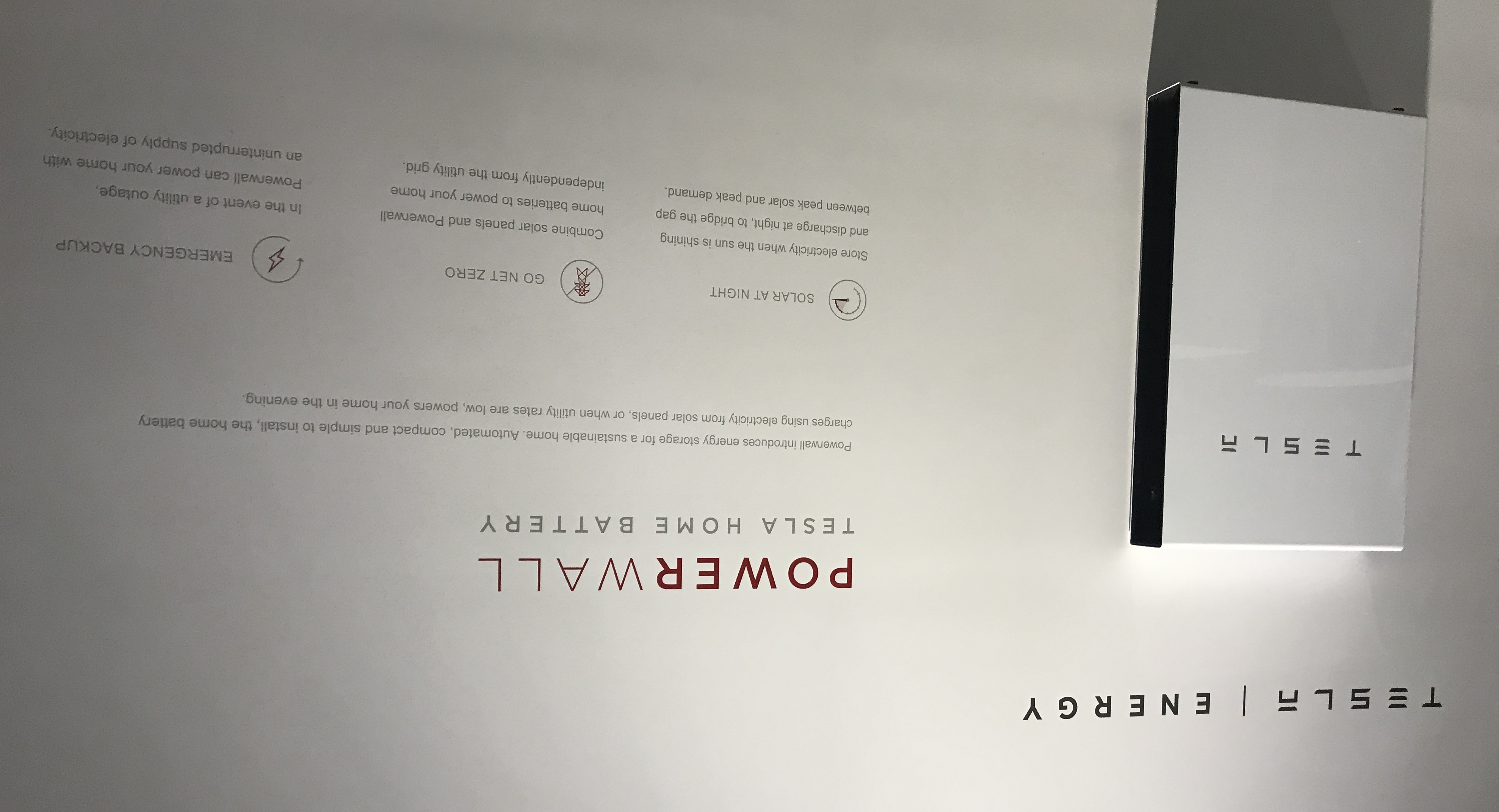
Home battery storage is what turns a grid-connected solar system into something that can ride through outages. Photo by Kenneth Lund via Wikimedia Commons, CC BY 2.0.

How the Four Types Compare
Section titled “How the Four Types Compare”Looking at the systems side by side makes the trade-offs easier to see.
| Factor | Grid-tied | Off-grid | Hybrid | Grid-tied with backup |
|---|---|---|---|---|
| Grid required | Yes | No | Yes | Yes |
| Battery required | Usually no | Yes | Yes | Yes |
| Lowest upfront cost | Usually yes | No | No | No |
| Runs during outage | Usually no | Yes | Yes, if designed for backup | Yes, for selected loads |
| Best for remote sites | No | Yes | Sometimes | No |
| Best for stable urban grids | Yes | Rarely | Sometimes | Sometimes |
| Design complexity | Lower | High | High | Medium to high |
This is really the center of the decision. You are not choosing the most advanced system in the abstract. You are choosing which trade-offs are worth paying for at your site.
Which System Fits Which Use Case
Section titled “Which System Fits Which Use Case”Here is the simplest way to think about it.
Choose grid-tied when
Section titled “Choose grid-tied when”- The utility grid is stable
- Your main goal is lower electricity bills
- You want the simplest and most affordable system
- Backup power is not a priority
Choose off-grid when
Section titled “Choose off-grid when”- The site has no practical utility connection
- Grid extension would be too expensive
- Energy independence matters more than minimizing upfront cost
- You are prepared for battery planning and tighter load management
Choose hybrid when
Section titled “Choose hybrid when”- You have grid access but outages matter
- You want both savings and resilience
- You want to store solar energy instead of always exporting it
- Your utility policy makes battery storage more attractive
Choose grid-tied with backup when
Section titled “Choose grid-tied with backup when”- You want a mostly normal grid-connected home or business
- You only need essential loads powered during outages
- Full off-grid independence would be overkill
- You want backup without pretending a basic grid-tied inverter can do that job
Why This Choice Matters So Early
Section titled “Why This Choice Matters So Early”People sometimes think they can pick the system type later, after choosing panels. In practice, the architecture decision comes early because it changes inverter selection, battery planning, protection hardware, circuit design, installation cost, and even how the site is wired.
It also changes the questions you should ask.
- In a grid-tied project, you care a lot about export rules, payback, and inverter compatibility
- In an off-grid project, you care a lot about autonomy, battery bank size, and generator support
- In a hybrid project, you care about both economics and backup behavior
That is why system type is not a label you add at the end. It is the frame for the whole project.
A Practical Decision Framework
Section titled “A Practical Decision Framework”If you are not sure which category fits, start with these questions.
- Is there a reliable utility connection at the site
- If yes, do you care mainly about savings, or do outages also matter
- If no, what is the real alternative, generator fuel, utility extension, or no power at all
- Are batteries a strategic priority or just an emergency backup need
- Which loads must stay on when the grid fails
Those questions usually narrow the answer quickly.
If the project is about economics, grid-tied is often the first answer.
If the project is about independence, off-grid is usually the answer.
If the project is about living in the middle, meaning you want the grid but do not fully trust it, then hybrid or grid-tied with backup becomes the real discussion.
Watch or Read More
Section titled “Watch or Read More”Key Takeaways
Section titled “Key Takeaways”- Grid-tied systems are usually the simplest and lowest-cost option where utility service is reliable.
- Off-grid systems are designed for total independence and always require batteries and tighter system design.
- Hybrid systems combine solar, batteries, and grid access to deliver both savings and backup capability.
- Grid-tied with backup is a useful category when the main goal is keeping essential circuits alive during outages.
- The best solar system is not the most complex one. It is the one that matches your site, your outage risk, and your budget.
Further Reading
Section titled “Further Reading”- On-Grid vs Off-Grid Systems
- How Solar Panels Work
- Hybrid Inverter Explained
- Charge Controllers
- Battery Sizing
Sources Used for This Page
Section titled “Sources Used for This Page”This page was expanded using the research notes and source list provided for this project, especially the following references.
- Types of Solar Power Systems Explained
- On-Grid vs Off-Grid vs Hybrid Solar System
- Types Of Solar Systems playlist
- SolarReviews, Solar System Types Compared
- Enphase, How to Choose Grid-Tied, Off-Grid, or Hybrid
- Novergy Solar, Types of Solar Systems and Use Cases
- Huawei Solar, Grid-Tied Solar System
- EnergySage, Hybrid Solar Systems
- Wholesale Solar, Grid-Tied Solar Power Systems with Battery Backup